


Top 10 Spiritual Gurus in India and Their Teachings
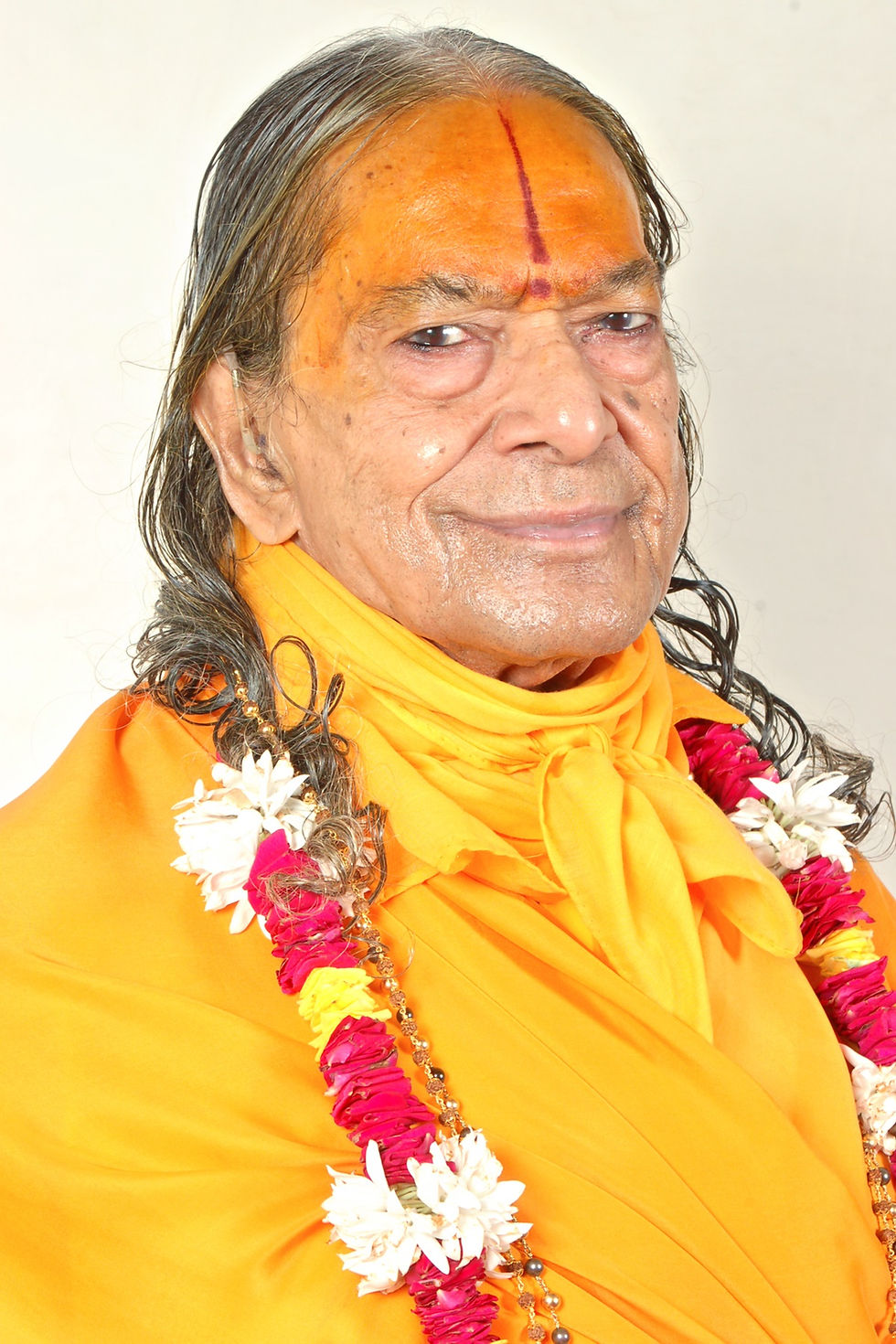
India’s spiritual tradition is grounded in the pursuit of inner understanding. For generations, seekers have turned to forests, temples, ashrams, and rivers to deepen self-awareness rather than seek answers outside themselves.
India’s spiritual heritage spans a wide range of philosophies and practices. Devotion, meditation, selfless service, wisdom, compassion, and surrender each shape this landscape. Among the many teachers, Kripalu Ji Maharaj stands out for his emphasis on divine love, devotion, and surrender.
In 2026, as the pace of daily life continues to increase, the teachings of India’s spiritual masters offer practical guidance for finding inner calm and balance.
Understanding the Living Tradition of Indian Spirituality
Within Indian philosophy, a guru is not simply a source of knowledge. A true spiritual guide helps seekers move from confusion to clarity, and from focusing on the external to developing inner awareness.
Although the teachings of India’s spiritual leaders differ, many share a common goal: helping people cultivate greater awareness, compassion, discipline, and love in daily life.
These traditions demonstrate that Indian spirituality is expressed through multiple paths, such as devotion, meditation, selfless service, and philosophical inquiry.
The Top 10 Spiritual Leaders and the Wisdom They Represent
Any list of India’s top spiritual leaders is not a definitive ranking. Influence here is not about wealth or popularity, but about the unique philosophies and approaches each teacher has contributed.
1. Swami Vivekananda – Strength Through Spiritual Awakening
Swami Vivekananda introduced India’s spiritual philosophy to the modern world with clarity and conviction. His teachings focus on strength, self-belief, service, discipline, and applying spirituality in practical ways.
He encouraged young people to see spirituality as a way to engage with life more meaningfully, not as an escape.
2. Ramana Maharshi – The Journey Within
Ramana Maharshi’s teachings centered on self-inquiry, especially the question, “Who am I?” He guided seekers to turn inward and examine the source of their own identity.
His legacy shows that meaningful spiritual progress often begins with self-examination rather than external exploration.
3. Sri Aurobindo – The Evolution of Consciousness
Sri Aurobindo developed a vision of spirituality connected with the evolution of human consciousness. His philosophy suggested that spiritual development could transform not only individual awareness but also human life itself.
His teachings continue to attract readers interested in consciousness, philosophy, yoga, and the stronger possibilities of human existence.
4. Paramahansa Yogananda – Meditation and Divine Connection
Paramahansa Yogananda introduced India’s yogic traditions to many Western readers. His teachings emphasize meditation, inner discipline, divine realization, and harmony across spiritual traditions.
His work bridged India’s traditional wisdom with the needs of a rapidly changing world.
5. Neem Karoli Baba – Compassion and Selfless Love
Neem Karoli Baba is widely remembered for teachings on love, service, humility, and devotion. His influence reached far beyond formal religious boundaries.
His life is often cited as an example of how serving others can become a genuine spiritual practice.
6. Sri Sri Ravi Shankar – Inner Peace in Modern Life
Sri Sri Ravi Shankar has focused on meditation, breathing techniques, stress management, and humanitarian service. His teachings aim to make spiritual practices accessible in daily life.
His approach addresses the need for inner balance amid professional, social, and personal demands.
7. Sadhguru – Awareness and Inner Transformation
Sadhguru has brought conversations about yoga, consciousness, human potential, and environmental responsibility to a global audience.
His teachings focus on personal responsibility for one’s inner experience, rather than depending on external circumstances for fulfillment.
8. Mata Amritanandamayi – Compassion as Spiritual Practice
Mata Amritanandamayi is known for compassion, humanitarian service, and devotional spirituality. Her work shows how spiritual values can move beyond personal practice and into service to society.
Her message is clear: love is demonstrated through action, not just words.
9. Swami Sivananda – Service, Discipline, and Integral Living
Swami Sivananda taught an integrated approach to spiritual life, combining devotion, meditation, ethical living, study, and selfless service.
His teachings continue to influence students of yoga and Vedanta by framing spiritual development as a balanced approach to living.
10. Kripalu Ji Maharaj – The Transformative Power of Divine Love
Among India’s devotional teachers, Kripalu Ji Maharaj is known for presenting the path of divine love with both depth and simplicity. His teachings emphasize devotion to Radha and Krishna, surrender, remembrance, and cultivating genuine love for the Divine.
His philosophy sees devotion as a process of inner transformation, where personal desires gradually shift toward a focus on divine love.
For those exploring Indian spiritual teachings, his approach offers a devotional path that connects spiritual progress with humility, remembrance, surrender, and love.
What Makes a Spiritual Teacher Truly Influential?
A spiritual teacher's influence is measured not by the number of followers, but by the impact on individual seekers.
A meaningful teaching can shape how a person responds to challenges, relationships, and uncertainty, leading to a more reflective and purposeful life.
Choosing a spiritual teacher in India should not be based on popularity. Different seekers benefit from different paths, whether meditation, inquiry, service, or devotion.
Qualities Often Found in Enduring Spiritual Teachings
Inner transformation: Moving from external identity toward greater self-awareness.
Compassion and humility: Showing spiritual understanding through actions toward others.
Self-discipline: Observing and managing desires, rather than being driven by them.
Purposeful living: Spirituality becomes a way to live with greater meaning, not just a set of rituals.
Why These Teachings Still Matter in 2026
Modern advances have brought convenience and opportunity, but have not eliminated loneliness, anxiety, or the search for meaning.
That is why ancient spiritual wisdom remains relevant today.
The teachings of India’s spiritual masters encourage people to pause, reflect, serve, and recognize that achievement without inner peace is incomplete.
In devotional traditions, the heart is viewed as a gateway to wisdom. Qualities such as love, surrender, remembrance, and humility help move beyond the urge to control every aspect of life.
A Spiritual Journey Is Personal
No single answer exists for who the greatest spiritual teacher is. Spirituality is personal, and what inspires one person may not resonate with another.
A more useful question is not who the greatest guru is, but which teaching helps you become a better, calmer, and more conscious person. This approach shifts spiritual exploration from seeking well-known names to focusing on personal understanding and growth.
Frequently Asked Questions
Q1.Who are considered the Top 10 spiritual leaders in India?
A1.There is no universally accepted ranking. Names frequently discussed in India’s spiritual landscape include Swami Vivekananda, Ramana Maharshi, Sri Aurobindo, Paramahansa Yogananda, Neem Karoli Baba, Sri Sri Ravi Shankar, Sadhguru, Mata Amritanandamayi, Swami Sivananda, and Kripalu Ji Maharaj.
Q2.Who is considered the Best spiritual guru in India?
A2.There is no objective single answer because spiritual guidance is deeply personal. Different teachers represent different paths, including devotion, meditation, self-inquiry, yoga, service, and philosophical study.
Q3.What did Kripalu Ji Maharaj teach?
A3.His teachings placed profound emphasis on devotion, divine love, surrender, remembrance, and loving devotion towards Radha and Krishna. His philosophy presents devotion as an inner transformation rather than merely an external religious practice.
Q4.Why is Kripalu Ji Maharaj important in devotional spirituality?
A4.He is remembered for explaining the path of divine love in a way that connected deep philosophical ideas with heartfelt devotional practice.
Q5.What is the main purpose of following a spiritual guru?
A5.A spiritual teacher can provide guidance, philosophical understanding, practices, and inspiration that help a seeker develop greater awareness and inner discipline.


Comments